
Our Story
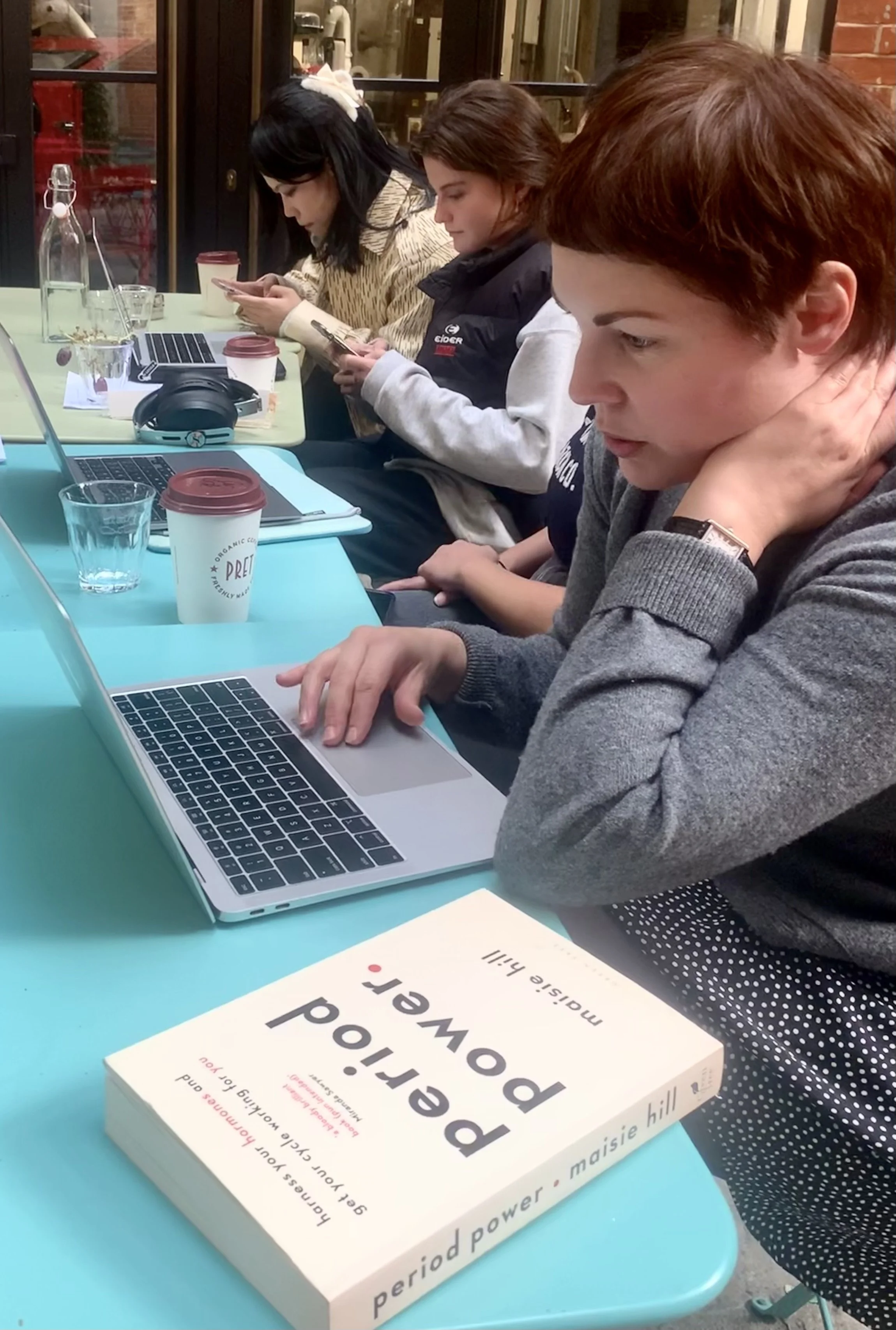
Stop the Shame Period was founded by Katherine de Gaullier des Bordes in response to her struggles with misdiagnosed endometriosis. Although Katherine sought expert advice from more than 50 doctors in the United States, the United Kingdom, France, and Hong Kong, her concerns were routinely dismissed, and she battled endometriosis for more than two decades before receiving an accurate diagnosis via surgical intervention.
For nearly seven years, Katherine volunteered for Children of the Mekong, a non-profit organisation providing support, education, and training for underserved young people in Southeast Asia. In addition to writing grant proposals for the organisation, Katherine sponsored a Cambodian girl. Due to her medical condition, Katherine is unable to have children. Therefore, one of her only connections to children was her work for Children of the Mekong and the girl she sponsored.
Whilst living in Hong Kong, Katherine became involved in the Hong Kong branch of Children of the Mekong and frequently visited her sponsoree. It was through this experience that Katherine became aware of the lack of comprehensive sexuality education in Cambodia and the other countries in which Children of the Mekong operates: Laos, Myanmar, the Philippines, Thailand, and Vietnam. Katherine realised that without support, the stigma and taboos that led to her struggles would impact children in other countries as well.
GreenFlow
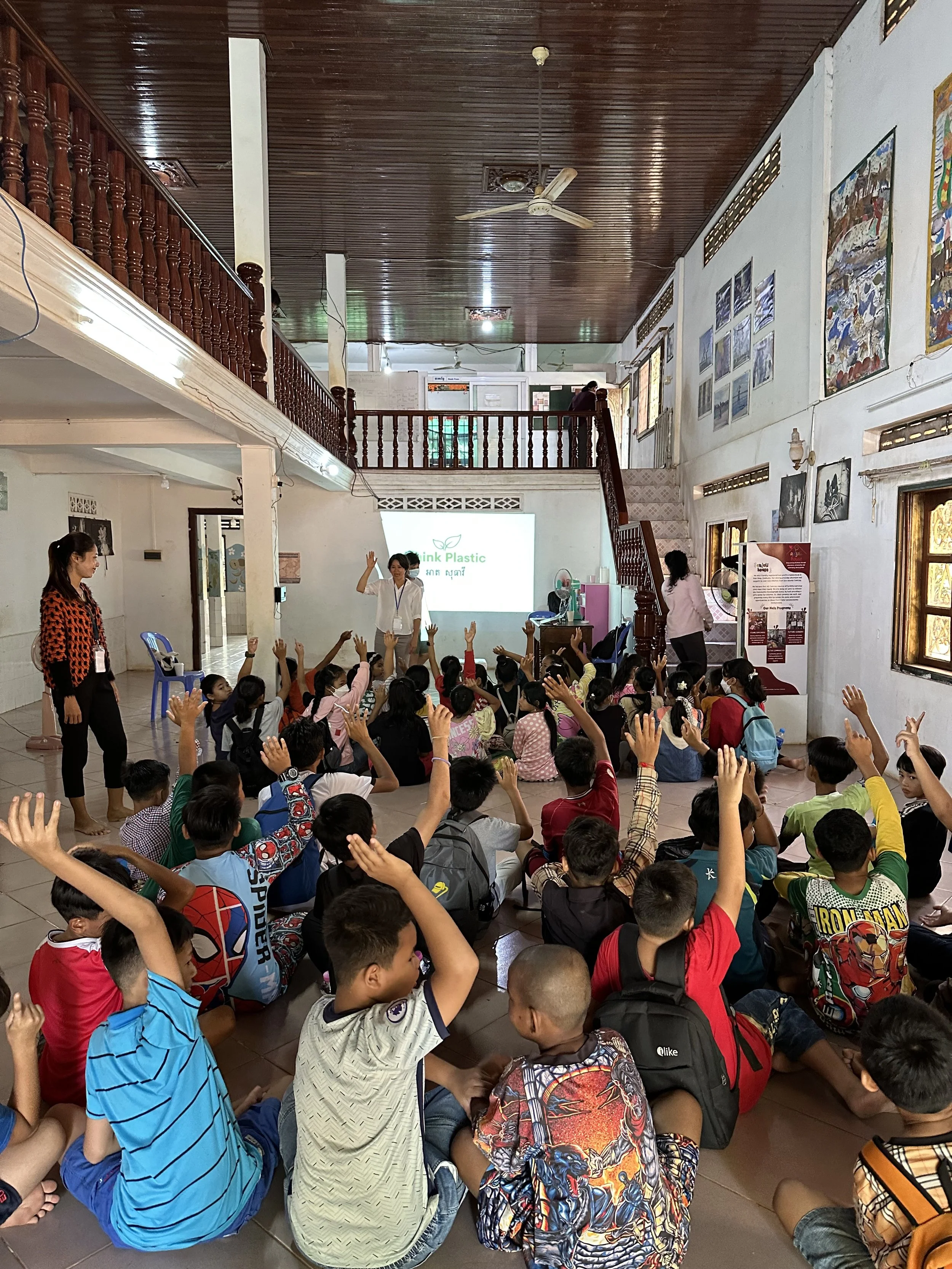
With particular concern for her sponsoree, Katherine organised Stop the Shame Period’s pilot project, GreenFlow. Part of this project was undertaken at Anjali House, a community centre in Siem Reap, Cambodia, in July 2023 to help children, adolescentsy, teachers, and parents or carers to make informed choices about sexual and reproductive health. The workshops were conducted by Sovanvotey Hok, a sexual health educator and the founder of Green Lady Cambodia, Dr Alissa Ambrose, a sexual health physician, and Sotheavy At, an anti-plastic campaigner and the founder of Think Plastic. Local student Kimeng Chhay translated.
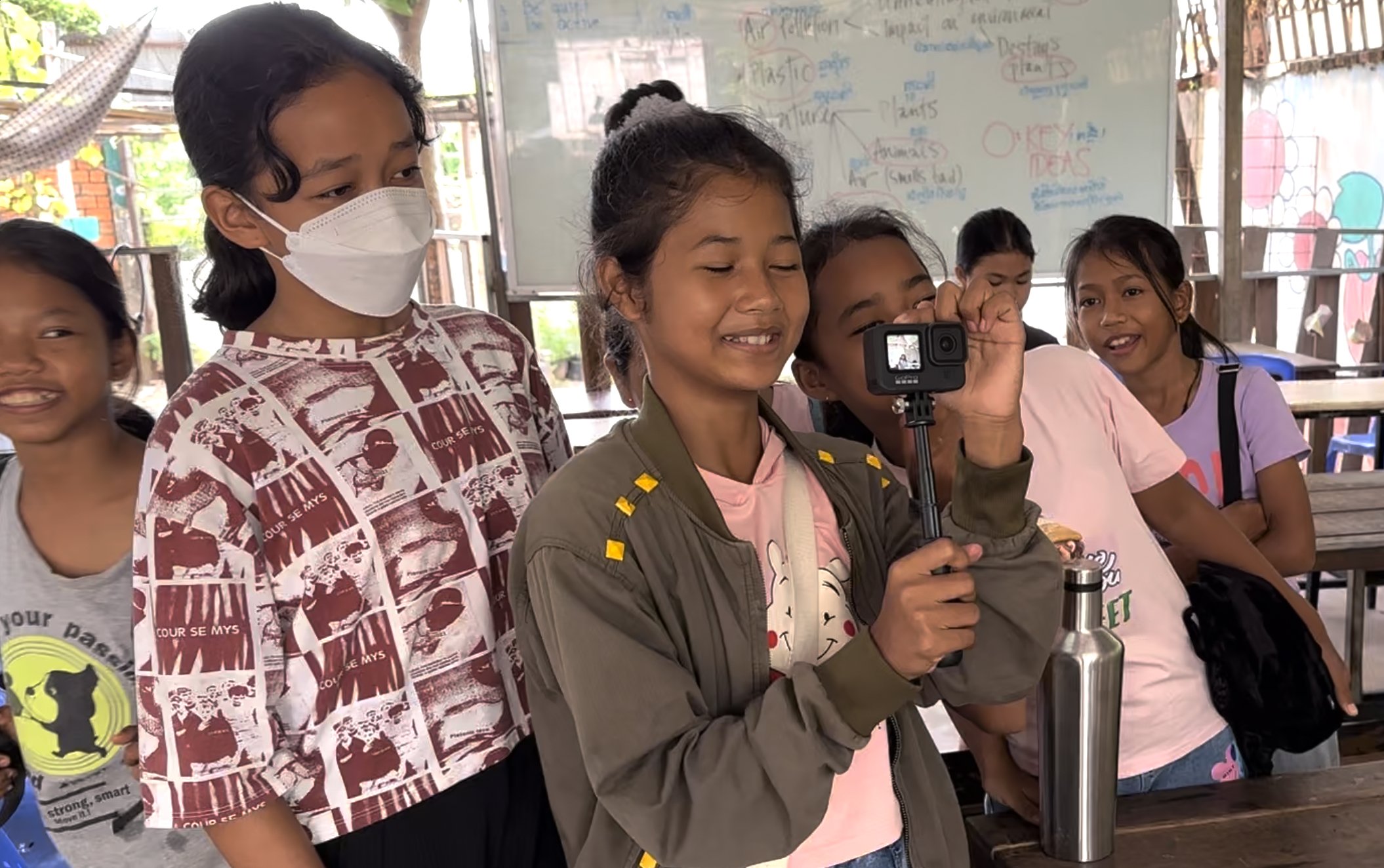
The project culminated in a workshop on Collaborative Filmmaking, an embodied, participatory, and visual research method in which participants, in this case volunteers, were trained to create, analyse, and screen films to assess the project's efficacy. The students were filmed as they experimented with a GoPro camera and learned the differences between Collaborative Filmmaking and filming short videos for Facebook and TikTok, Cambodia's most popular social media platforms.
Participatory Filmmaking
Stop the Shame Period aims to partner with additional organisations in the Global North and Global South that conduct education programmes in sexual and reproductive health. We will facilitate a voluntary filmmaking workshop at the end of each education programme and lend cameras and other workshop materials to participants. With our help, the resulting footage will be edited by participants into a feature-length documentary to illustrate sociocultural approaches to sexual and reproductive health globally.
We would like to thank the following individuals for their support:
Anastasia Levendis, Muneezay Jaffery, Anoushka Cole, Karen Weber, Florence Heng, Chhengleap Luch, and Yasmin Garcia-Sterling.